Hi, Continue visiting your profile
user

Login

Email

Password

Create account
Forget password
AnyGenes
  • email login

Precision Gene Expression Solutions for Cell Signaling Research

Over 1,000 experimentally validated qPCR arrays and biomarker solutions for reproducible, pathway-focused gene expression analysis.

Founded in 2007
1,000+ validated pathway-focused qPCR panels
Cited in 100+ scientific publications

Advance your research in cell signaling and biomarkers with AnyGenes​

Cell signaling research requires targeted and reliable approaches to connect changes in gene expression with biological pathways. AnyGenes develops pathway-focused qPCR arrays, validated primers, reverse transcription and amplification reagents, and dedicated analysis tools for researchers studying signaling pathways, biomarkers and disease-associated transcriptional responses.

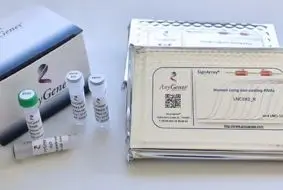
From ready-to-use SignArrays® to customized qPCR panels, our solutions can support standard workflows as well as projects involving low-input or challenging RNA samples.

AnyGenes has developed a large catalog of molecular biology reagents and assays.

Why researchers choose AnyGenes for cell signaling research

Experimentally evaluated qPCR panels

SignArrays® pathway panels are evaluated using stringent quality-control criteria to support reliable pathway-focused gene expression analysis.

Pathway-focused and customizable designs

Choose from a broad catalog of ready-to-use panels or develop personalized SignArrays® based on your genes, pathway, species and research objective.

Primer design adapted to qPCR specificity

Primer designs target exon-spanning regions whenever applicable to help reduce amplification from contaminating genomic DNA.

Integrated qPCR workflow

Combine SignArrays® with validated primers, reverse transcription, pre-amplification, compatible Master Mixes and dedicated analysis tools.

Scientific and technical support

AnyGenes supports researchers from panel selection and assay design to targeted biomarker validation and data interpretation.

Dedicated qPCR analysis software for SignArrays®

Dedicated analysis tools are available for SignArrays® to support structured qPCR data interpretation, from normalization to comparison of experimental conditions and graphical visualization.

  • ΔCq-based normalization using selected reference genes
  • Comparison of multiple experimental conditions
  • Integrated graphs, descriptive statistics and structured data export

Selected peer-reviewed studies using AnyGenes technologies

AnyGenes technologies have been used in peer-reviewed research across cancer biology, cardiovascular and pulmonary research, transcriptomics and biomarker studies. Selected examples below illustrate how SignArrays®, custom qPCR panels and complementary gene expression solutions have been integrated into independent research workflows.

2026 – lncRNA profiling and methotrexate resistance

Delgado A. et al. – Biochemical Pharmacology

A study investigating the transition from early methotrexate response to resistance in HT29 colorectal cancer cells used the AnyGenes Human LncRNA and Cancer SignArray® LNCC1H1 together with StaRT reverse transcription and SignArray® data analysis tools.

AnyGenes technologies:
Human LncRNA and Cancer SignArray® LNCC1H1; StaRT Reverse Transcription Kit;  SignArray® analysis software

Read article →

2025 – Endothelial dysfunction in pulmonary arterial hypertension

Saint-Martin Willer A. et al. – Respiratory Research

Research on pulmonary arterial hypertension used targeted AnyGenes qPCR solutions to investigate endothelial dysfunction and vascular gene expression.

AnyGenes technologies:
Endothelial Dysfunction SignArray®; StaRT Reverse Transcription Kit;  Perfect Master Mix SYBR® Green with ROX

Read article →

2021 – Transcriptomic alterations in Cornelia de Lange syndrome

Garcia P. et al. – Nature Communications

Transcriptomic alterations associated with Cornelia de Lange syndrome were investigated, with selected gene expression findings assessed using customized AnyGenes qPCR panels.

AnyGenes technology:
Custom gene expression qPCR panels

Read article →

AnyGenes technologies have also been reported in studies published in journals including Cancer Research, Circulation, Redox Biology, Cancer Letters and PLOS ONE.

qPCR and gene expression solutions for cell signaling research

Build a targeted gene expression workflow using pathway-focused qPCR arrays, validated assays and complementary molecular tools adapted to your research question and sample requirements.

AnyGenes® SignArrays® pathway-focused qPCR arrays

SignArrays® pathway-focused qPCR arrays

Analyze selected genes involved in signaling pathways, biological processes and disease-associated transcriptional signatures using ready-to-use or customized qPCR panels.

Key features:

  • 96- and 384-well formats;
  • ready-to-use and personalized panels;
  • compatible with major real-time PCR platforms according to plate format and instrument requirements.
Explore SignArrays®
AnyGenes® Perfect Master Mix reagents for qPCR

qPCR Master Mixes

Perfect Master Mix formulations designed to support reliable amplification across gene expression and SignArrays® workflows.

Key features:

  • SYBR® Green and adapted formulations;
  • options according to instrument reference-dye requirements;
  • suitable for targeted qPCR and SignArrays® workflows.
Explore qPCR Master Mixes
AnyGenes® SpeAmp® qPCR pre-amplification kit FEATURED

SpeAmp® pre-amplification

Pre-amplification solutions designed for projects where RNA quantity is limited or target transcripts are present at low abundance.

Key features:

  • suitable for low-input RNA workflows;
  • can complement targeted qPCR analysis;
  • designed for precious or limited samples.
Explore SpeAmp®
AnyGenes® experimentally validated qPCR primer sets

Validated qPCR primers

Experimentally validated primer sets for targeted gene expression analysis across genes, pathways and research species.

Key features:

  • experimentally evaluated assay performance;
  • exon-spanning designs when applicable;
  • available individually or for customized projects.
Explore validated primers
AnyGenes® lncRNA qPCR assays and targeted panels

lncRNA qPCR solutions

Targeted qPCR solutions for quantifying long non-coding RNAs identified through RNA-seq, literature review or disease-focused research.

Key features:

  • individual assays and targeted panels;
  • useful for RNA-seq follow-up;
  • customizable according to project objectives.
Explore lncRNA solutions
Microbiota qPCR assays for targeted microbial profiling FEATURED

Microbiome qPCR analysis

Targeted qPCR solutions for analyzing selected microbial signatures in research applications.

Key features:

  • targeted microbial profiling;
  • multiple qPCR formats;
  • project-specific assay options.
Explore microbiota assays
AnyGenes® MycoDiag® mycoplasma test kit for qPCR and PCR

MycoDiag® mycoplasma detection

PCR- and qPCR-based solutions designed to support routine detection of mycoplasma contamination in research cell cultures.

Key features:

  • positive, negative and internal controls;
  • research-focused cell culture quality control;
  • rapid detection workflow.
Explore MycoDiag®
AnyGenes® biomarker identification and qPCR validation services

Biomarker research services

Scientific support for biomarker identification, targeted gene expression analysis, qPCR validation and customized molecular workflows.

Key features:

  • biomarker discovery and validation;
  • custom qPCR panels;
  • RNA-seq follow-up and targeted validation.
Explore biomarker services

Need a qPCR panel tailored to your research question?

Personalized SignArrays® can be designed using your selected genes, signaling pathway, species and experimental requirements. Custom panels can support disease-focused signatures, biomarker validation, RNA-seq follow-up and targeted pathway analysis.

Request a personalized SignArray®

Research applications in cell signaling and biomarker discovery

Cancer signaling and apoptosis

Study gene expression patterns associated with tumor biology, proliferation, survival and cell death.

Inflammation and immune response

Analyze transcriptional signatures associated with cytokine signaling, innate immunity and inflammatory pathways.

Cardiovascular and pulmonary research

Investigate pathway-related gene expression in vascular, cardiac and pulmonary research models.

Neurodegeneration and cellular stress

Explore gene expression responses associated with oxidative stress, neuroinflammation and cell survival.

RNA-seq and biomarker validation

Confirm selected transcriptomic findings using targeted qPCR assays or pathway-focused panels.

Researcher testimonials

Trusted by research teams

Researchers use AnyGenes solutions for customized qPCR arrays, signaling pathway analysis, neural cell models, biomarker research and cell culture quality control.

INSERM logo INSERM
★★★★★

Custom SignArrays® for cardiovascular research

“The customized SignArrays® developed by AnyGenes® were pivotal in conducting critical analyses published in high-impact journals.”

Dr Frédéric Perros Research Director, INSERM University of Lyon
INSERM logo INSERM
★★★★★

Custom qPCR arrays for neural cell models

“The customized SignArrays® developed by AnyGenes® played a crucial role in analyzing 2D and 3D neural cells derived from patients with neurodevelopmental disorders.”

Dr Aurélie de Thonel CR1 INSERM, UMR7216 Epigenetics and Cell Fate Université Paris Cité
AP-HP logo AP-HP
★★★★★

MycoDiag® reagent for cell culture quality control

“We are very satisfied with the quality of the reagent, the delivery times and the response time of the AnyGenes® team.”

Dr Elise Lebigot Biologist, Biochemistry Department Bicêtre Hospital, AP-HP

NEWS

1- FORUM LABO PARIS 28-30 MARCH 2023

Please join us at our booth #H105, hall H, to learn more about AnyGenes’s products and molecular services

2- 7th Drug Discovery Summit, 2022-Madrid

AnyGenes will participate to the 7th Drug Discovery Summit, 2022-Madrid. Dr NAIMI, will give a talk on the importance of signaling pathways and biomarkers in the process of drug development, by using AnyGenes molecular platform

3- Importation of biological samples

AnyGenes obtained from The Ministry of Agricultural the authorisation to import biological samples from outside the European Union

4- Distribution agreement with Hölzel Diagnostika

We welcome Hölzel Diagnostika Handels GmbH as new distributor of AnyGenes products and services in Germany, Austria and Switzerland

5- BIO-Europe Spring 2020

AnyGenes will be present at BIO-Europe Spring 2020

6- AnyGenes products and services in JAPAN

We are proud to have signed an agreement with the company Funakoshi, Co, Ltd, for the distribution of AnyGenes products and services in JAPAN

7- BIOFIT 2018, LILLE, 4-5 December

AnyGenes team will be present at BioFIT Event 2018 at Lille, FRANCE

8- Specific Pre-amplification kit

You have small quantity of biological sample but many signaling pathways to explore? AnyGenes® team is proud to help you with our new range of cDNA pre-amplification SpeAmpn system to perform high-throughput analysis with very small amounts of biological material (5 ng RNA) or few cells.

9- MEDICA 2017/ Dûsseldorf, GERMANY, 13-16 NOV

AnyGenes® team was present at MEDICA 2017, the key world forum for medicine. AnyGenes® stays informed of all the news, innovative projects, latest technologies and issues in medical fields in order to offer you innovative products and tools.

10- BioJapan/ Regenerative Medicine Japan 2016

AnyGenes® has been selected by the EU-Japan centre, for BtoB meetings at Osaka from 9-11 October, and to present its products (SignArrays®) and its multi-biomarkers clinical tests at BioJapan 2016, October 12-14, Yokohama, JAPAN.

11- Chinese Medicine Conference 2016

Dr Ju Liya has held a conference at the 2nd World Forum on Astragalus membranaceus, 10 June 2016 at Beijing CHINA. Dr Ju Liya had talked about interesting results from in vitro analysis of compounds from chinese medicine by using AnyGenes® molecular platform.

12- Products

Discover now our various signaling pathways (SignArrays®) and Highly sensitive and specific assay kits for specific gene quantification by real time qPCR array.


  • – Ínigo-Catalina L et al. DINCH Exposure Triggers Inflammatory, Oxidative, and Apoptotic Pathways in the Liver of Long-Evans Lactating Rats and Their Offspring. Int. J. Mol. Sci. (2024) 25(23):13017
  • – Grando L et al. The impact of the EVLP on the lung microbiome and its inflammatory reaction. Transpl Int. (2024) 37:12979
  • – Ceron-Codorniu M et al. TDP-43 dysfunction leads to bioenergetic failure and lipid metabolic rewiring in human cells. Redox Biol. (2024) 75:103301
  • – Larriba E et al. Identification of new targets for glioblastoma therapy based on a DNA expression microarray. Comput Biol Med. (2024) 179:108833
  • – Pan-Lizcano R et al. lncRNA CDKN2B-AS1 is downregulated in patients with ventricular fibrillation in acute myocardial infarction. PLoS One (2024) 19(5):e0304041
  • – Sáez-Martínez P et al. Dysregulation of RNA-Exosome machinery is directly linked to major cancer hallmarks in prostate cancer: Oncogenic role of PABPN1. Cancer Lett. (2024) 584:216604
  • – Pinto-Hernandez P et al. miR-29a-3p, a new myokine orchestrating resistance exercise via coordinated metabolic responses. bioRxiv (2024) 592416
  • – Aragón-Herrera A et al. The lipidomic and inflammatory profiles of visceral and subcutaneous adipose tissues are distinctly regulated by the SGLT2 inhibitor empagliflozin in Zucker diabetic fatty rats. Biomed Pharmacother. (2023) 161:114535
  • – Rancan L et al. Protective Actions of Cannabidiol on Aging-Related Inflammation, Oxidative Stress and Apoptosis Alterations in Liver and Lung of Long Evans Rats. Antioxidants (2023) 12(10):1837
  • – Masson B et al. Contribution of transient receptor potential canonical channels in human and experimental pulmonary arterial hypertension. Am J Physiol Lung Cell Mol Physiol (2023) 325: L246-L261
  • – Rivas-Chacón LdM et al. Cocoa Polyphenol Extract Inhibits Cellular Senescence via Modulation of SIRT1 and SIRT3 in Auditory Cells. Nutrients (2023) 15:544
  • – Companys‑Alemany J et al. Glial cell reactivity and oxidative stress prevention in Alzheimer’s disease mice model by an optimized NMDA receptor antagonist. Sci Rep. (2022) 12(1):17908
  • – del Mar Rivas-Chacón, L et al. Preventive Effect of Cocoa Flavonoids via Suppression of Oxidative Stress-Induced Apoptosis in Auditory Senescent Cells. Antioxidants (2022) 11:1450
  • – Pérez-Carrillo L et al. Cardiac Sodium/Hydrogen Exchanger (NHE11) as a Novel Potential Target for SGLT2i in Heart Failure: A Preliminary Study. Pharmaceutics (2022) 14: 1996
  • – To-Figueras J et al. Transcriptomic study in explanted liver from a patient with acute intermittent porphyria. JIMD Rep. (2022) 64(1):10-16
  • – Chikhaoui A et al. Inflammatory landscape in Xeroderma pigmentosum patients with cutaneous melanoma. Sci Rep. (2022) 12(1):13854
  • – Roglans N et al. Chronic liquid fructose supplementation does not cause liver tumorigenesis but elicits clear sex differences in the metabolic response in Sprague-Dawley rats. Food Nutr Res (2021) 65
  • – Chen W et al. CircRNA circPTK2 Might Suppress Cancer Cell Invasion and Migration of Glioblastoma by Inhibiting miR-23a Maturation. Neuropsychiatr Dis Treat. (2021) 17: 2767-2774
  • – Reger de Moura C et al. CD147 Promotes Tumor Lymphangiogenesis in Melanoma via PROX-1. Cancers (2021) 13(19): 4859
  • – Linillos-Pradillo B et al. Determination of SARS-CoV-2 RNA in different particulate matter size fractions of outdoor air samples in Madrid during the lockdown. Environ Res (2021) 195:110863
  • – Garcia P et al. Disruption of NIPBL/Scc2 in Cornelia de Lange Syndrome provokes cohesin genome-wide redistribution with an impact in the transcriptome. Nature Communications (2021) 12(1): 4551
  • Vasilopoulou F et al. Microarray Analysis Revealed Inflammatory Transcriptomic Changes after LSL60101 Treatment in 5XFAD Mice Model. Genes (2021) 12(9): 1315-1327
  • – Haijun Wan H et al. CircRNA CircRIMS is Overexpressed in Esophageal Squamous Cell Carcinoma and Downregulate miR-613 Through Methylation to Increase Cell Proliferation. Cancer Manag Res. (2021) 13: 4587-4595
  • -Ribó P et al. Mutation in KARS: A novel mechanism for severe anaphylaxis. J Allergy Clin Immunol. (2021) 147(5): 1855-1864
  • – Bouchet M et al. ERRα Expression in Bone Metastases Leads to an Exacerbated Antitumor Immune Response. Cancer Res. (2020) 80(13): 2914-2926
  • – Tétu P et al. FGF2 Induces Resistance to Nilotinib through MAPK Pathway Activation in KIT Mutated Melanoma. Cancers (2020) 12(5): 1062
  • – Moreno-Rubio J et al. Clinical-pathological and molecular characterization of long-term survivors with advanced non-small cell lung cancer. Cancer Biol Med. (2020) 17(2):444-457
  • – Tong C et al. Repurposing loperamide to overcome gefitinib resistance by triggering apoptosis independent of autophagy induction in KRAS mutant NSCLC cells. Cancer Treat Res Commun. (2020) 25: 100229
  • Ataam AJ et al. Targeted Angiogenesis Gene Expression Profiling of Patients with Chronic Thromboembolic Pulmonary Hypertension. J. Heart Lung Transplant. (2020) 39(4): S31
  • – Martínez-García MA et al. TLR2 and TLR4 Surface and Gene Expression in White Blood Cells after Fasting and Oral Glucose, Lipid and Protein Challenges: Influence of Obesity and Sex Hormones. Biomolecules (2020) 10(1): 111
  • – Reger de Moura C et al. Intermittent Versus Continuous Dosing of MAPK Inhibitors in the Treatment of BRAF-Mutated Melanoma. Transl Oncol. (2019) 13(2): 275-286
  • – Louveau B et al. Baseline Genomic Features in BRAFV600-Mutated Metastatic Melanoma Patients Treated with BRAF Inhibitor + MEK Inhibitor in Routine Care. Cancers (2019) 11(8): E1203
  • – Dupain C et al. Newly identified LMO3-BORCS5 fusion oncogene in Ewing sarcoma at relapse is a driver of tumor progression. Oncogene (2019) 38(47): 7200-7215
  • – Reger de Moura C et al. Discoidin Domain Receptors: A promising target in melanoma. Pigment Cell Melanoma Res. (2019) 32(5): 697-707
  • – Louveau B et al. A targeted genomic alteration analysis predicts survival of melanoma patients under BRAF inhibitors. Oncotarget (2019) 10(18): 1669-1687
  • – Félix AJ et al. Functional pharmacogenomics and toxicity of PolyPurine Reverse Hoogsteen hairpins directed against survivin in human cells. Biochem Pharmacol. (2018) 155:8-20
  • – Torres RJ & Puig JG. Aicar effect in early neuronal development. Nucleos Nucleot Nucl. (2018) 37(5): 261-272
  • – Delyon J et al. STAT3 Mediates Nilotinib Response in KIT-Altered Melanoma: A Phase II Multicenter Trial of the French Skin Cancer Network. J Invest Dermatol. (2018) 138(1): 58-67
  • – Mgrditchian T et al. Targeting autophagy inhibits melanoma growth by enhancing NK cells infiltration in a CCL5-dependent manner. Proc Natl Acad Sci. (2017) 114(44): 9271-9279
  • – Buart S et al. Transcriptional response to hypoxic stress in melanoma and prognostic potential of GBE1 and BNIP3. Oncotarget (2017) 8(65): 108786-108801
  • – Broséus J et al. VEGF121, is predictor for survival in activated B-cell-like diffuse large B-cell lymphoma and is related to an immune response gene signature conserved in cancers. Oncotarget (2017) 8(53): 90808-90824
  • – Delyon J et al. PDE4D promotes FAK-mediated cell invasion in BRAF-mutated melanoma. Oncogene (2017) 36(23): 3252-3262
  • – Doucet M et al. Quality Matters: 2016 Annual Conference of the National Infrastructures for Biobanking. Biopreserv Biobank (2017) 15(3): 270-276
  • – Delyon J et al. Validation of a preclinical model for assessment of drug efficacy in melanoma. Oncotarget (2016) 7(11): 13069-13081
  • – Xu-Dubois YC et al. Markers of endothelial to mesenchymal transition: evidence for antibody-endothelium interaction during antibody mediated rejection in kidney recipients. J Am Soc Nephrol. (2016) 27(1): 324-332
  • – Mourah S et al. Dramatic Transient Improvement of Metastatic BRAFV600E-Mutated Langerhans Cell Sarcoma under treatment with Dabrafenib. Blood (2015) 126(24): 2649-2652
  • – Delyon J et al. EMMPRIN regulates β1 integrin-mediated adhesion through Kindlin-3 in human melanoma cells. Exp Dermatol. (2015) 24(6): 443-448
  • – Khayati F et al. EMMPRIN/CD147 is a novel coreceptor of VEGFR-2 mediating its activation by VEGF. Oncotarget (2015) 6(12): 9766-9780
  • – Ranchoux B et al. Endothelial-to-mesenchymal transition in pulmonary hypertension. Circulation (2015) 131(11): 1006-1018
  • – Djaafri I et al. A novel tumor suppressor function of Kindlin-3 in solid cancer. Oncotarget (2014) 5(19): 8970-8985
  • – Milia-Argeiti E et al. EMMPRIN/CD147-encriched membrane vesicles released from malignant human testicular germ cells increase MMP production through tumor-stroma interaction. Biochim Biophys Acta (2014) 1840(8): 2581-2588
  • – Lescaille G et al. EMMPRIN/CD147 up-regulates urokinase-type plasminogen activator: implications in oral tumor progression. BMC Cancer (2012) 12(115): 1-9
  • – Milia-Argeiti E et al. Imbalance of MMP-2 and MMP-9 expression versus TIMP-1 and TIMP-2 reflects increased invasiveness of human testicular germ cell tumours. Int J Androl. (2012) 35(6): 835-844
  • – Abdelkarim M et al. Invading Basement Membrane Matrix Is Sufficient for MDA-MB-231 Breast Cancer Cells to Develop a Stable In Vivo Metastatic Phenotype. PLoS ONE (2011) 6(8): e23334.
  • – Huet E et al. EMMPRIN Modulates Epithelial Barrier Function through a MMP-Mediated Occludin Cleavage: Implications in Dry Eye Disease. Am J Pathol. (2011) 179(3): 1278-1286
  • – Moreau M et al. b-Catenin and NF-κB cooperate to regulate the uPA/uPAR system in cancer cells. Int. J. Cancer (2011) 128(6): 1280-1292
  • – Bougatef F et al. EMMPRIN Promotes Melanoma Cells Malignant Properties through a HIF-2alpha Mediated Up-Regulation of VEGF-Receptor-2. PLoS One (2010) 5(8): e12265
  • – Paule B et al. Soluble Isoforms of Vascular Endothelial Growth Factor Are Predictors of Response to Sunitinib in Metastatic Renal Cell Carcinomas. PLoS One (2010) 5(5): e10715
  • – Ma L et al. Antisense Inhibition of Amphiregulin Expression Reduces EGFR Phosphorylation in Transformed Human Breast Epithelial Cells. Anticancer Res. (2010) 30(6): 2101-2106
  • – Bougatef F et al. EMMPRIN promotes angiogenesis through hypoxia-inducible factor-2-mediated regulation of soluble VEGF isoforms and their receptor VEGFR-2. Blood (2009) 114(27): 5547-5556

Need help selecting the right qPCR solution for your project?

Whether you are studying signaling pathways, validating RNA-seq findings, analyzing low-input samples or developing a targeted biomarker panel, our scientific team can help you identify an appropriate qPCR strategy for your research objectives.